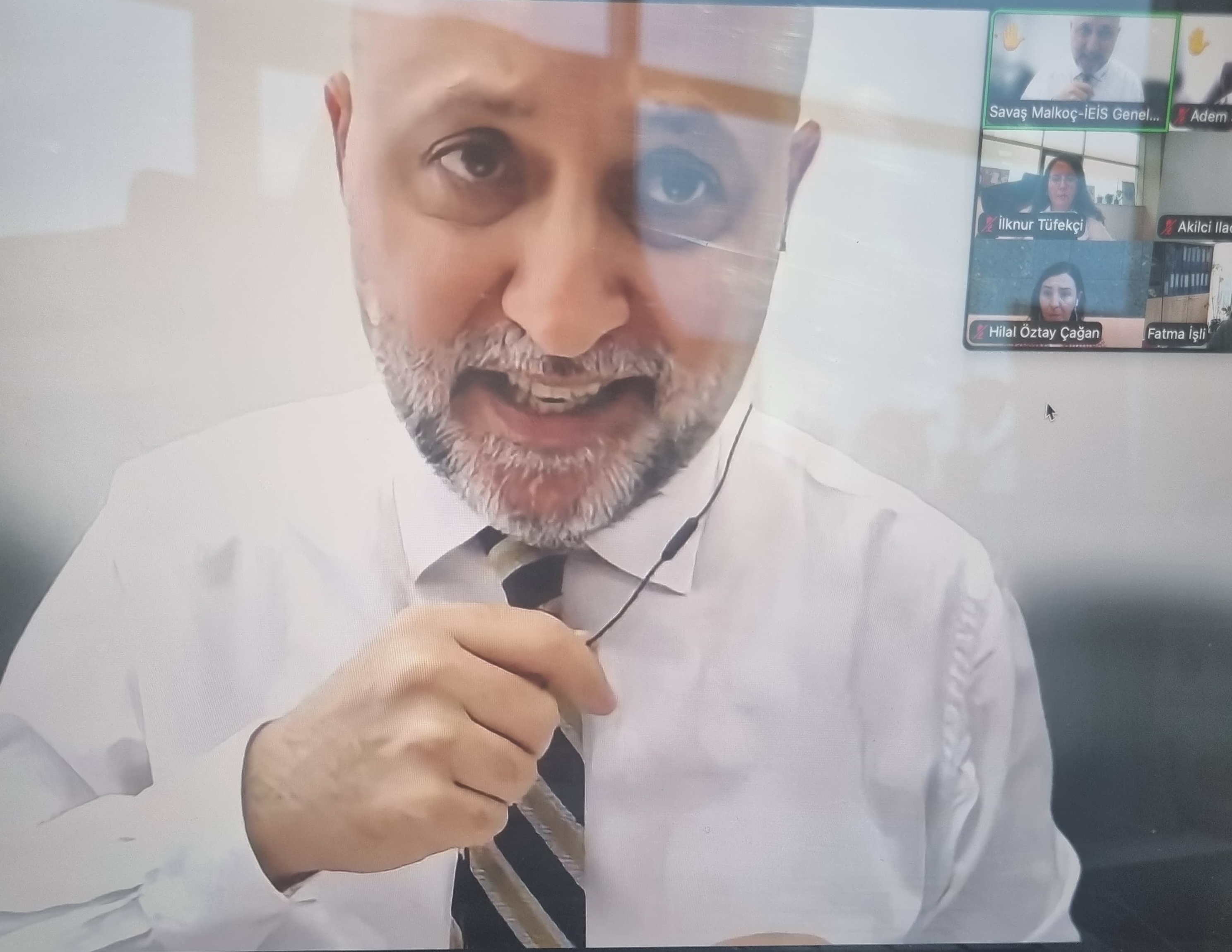
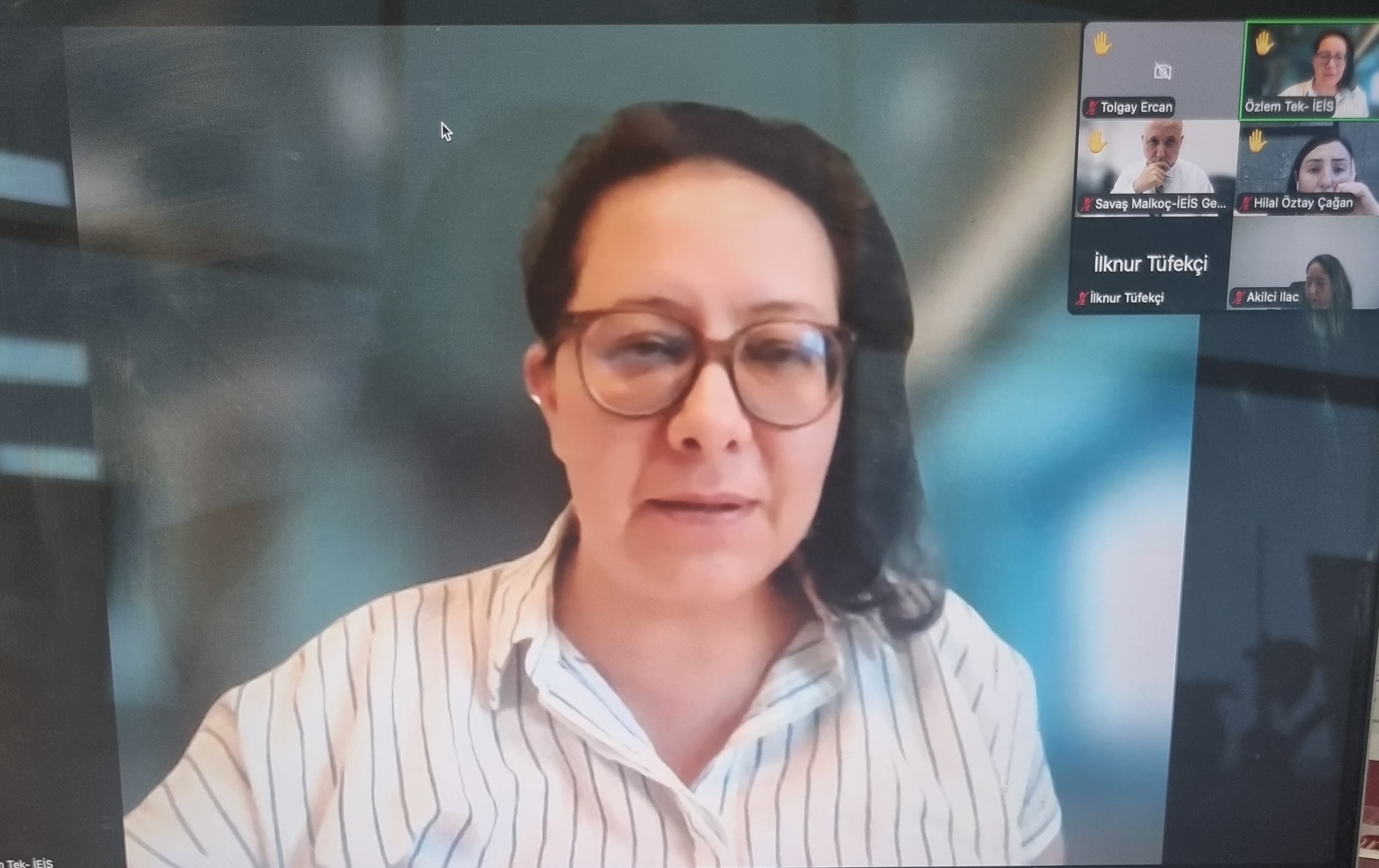
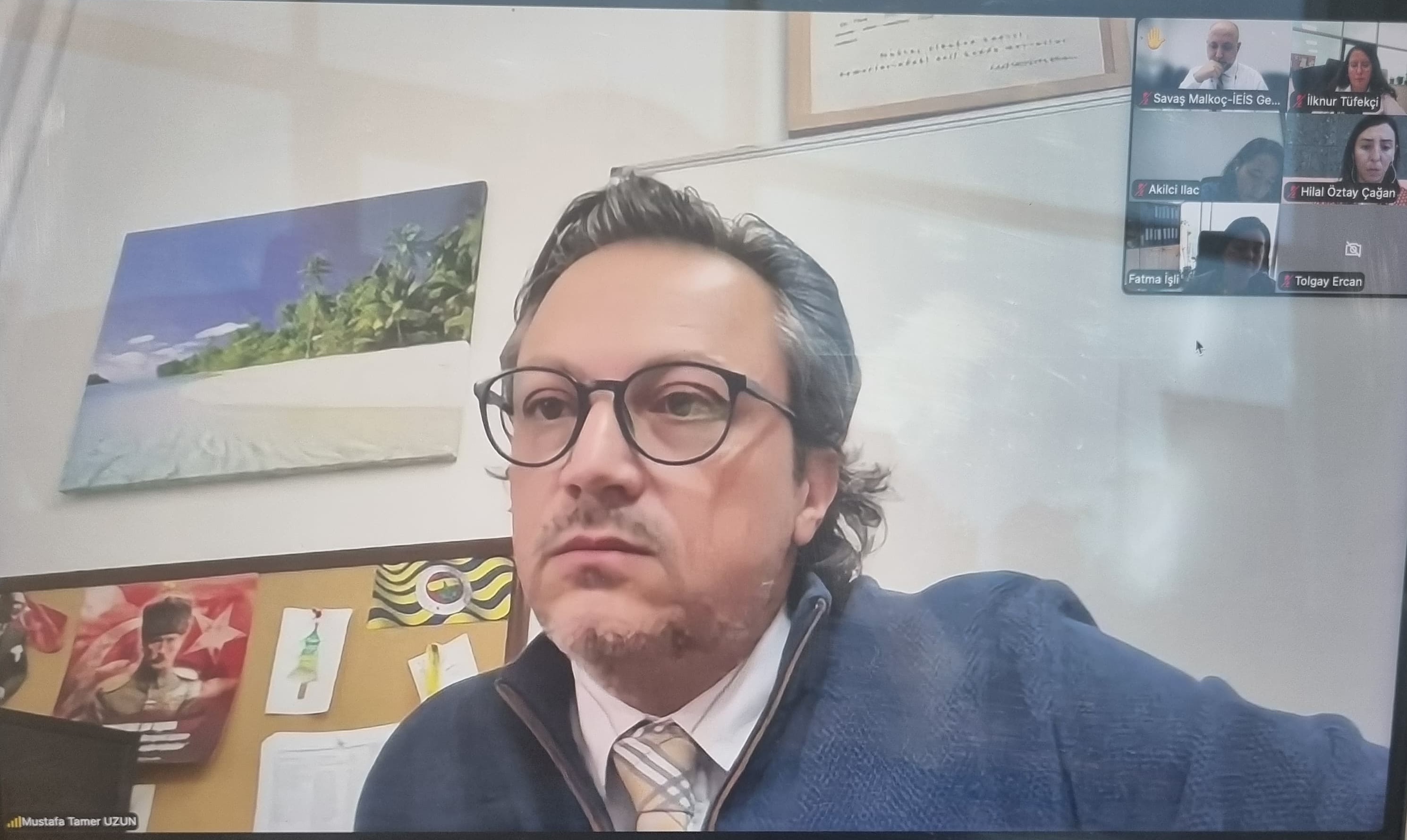
Public Authorities, Universities and Industry Representatives Gathered to Discuss the Future of Pharmaceutical Sales Representatives
At a meeting organized under the leadership of the Turkish Medicines and Medical Devices Agency (TİTCK), training programs for the Pharmaceutical Sales Representative (ÜTT) Qualification Certificate, the role of Medical Promotion and Marketing programs in the pharmaceutical industry, current practices and future expectations were discussed. Our program was represented at the meeting by Asst. Prof. İlknur Tüfekçi.
The meeting brought together representatives from public institutions, universities and the pharmaceutical industry to discuss the development of the pharmaceutical sales representative profession, professional qualification processes, educational standards and the industry's need for qualified personnel.
Participants included TİTCK Vice President Dr. İbrahim Muaz Yaradılmış, Head of the Rational Drug Use Department at TİTCK Dr. Fatma İşli, Secretary General of the Pharmaceutical Manufacturers Association of Türkiye (İEİS) Savaş Malkoç, TİSD representative Dr. Dilek D. Göleli, academics from Medical Promotion and Marketing programs at various universities and representatives from different levels of the pharmaceutical industry.
One of the main agenda items was the qualification certification process for pharmaceutical sales representatives and the alignment of relevant training programs with industry needs. Participants exchanged views on the contribution of university-level Medical Promotion and Marketing programs to the profession, employment opportunities for graduates, professional qualification criteria and potential improvements to existing practices.
Industry representatives shared their field experiences and expectations, while public officials provided insights into ongoing initiatives and regulatory processes. Academics expressed their views on the quality of vocational education, strengthening university-industry collaboration and preparing students for professional careers.
Particular emphasis was placed on adapting Medical Promotion and Marketing education to the evolving needs of the pharmaceutical industry, improving professional competencies and supporting the development of a qualified workforce. The importance of effective communication and collaboration among public institutions, universities and industry organizations was also highlighted.
The meeting provided a valuable platform for representatives of different institutions and organizations to exchange perspectives, assess the current state of the pharmaceutical sales representative profession and develop shared approaches to its future.
From the perspective of our program, the meeting was particularly significant in evaluating Medical Promotion and Marketing education in line with industry expectations, enhancing graduates' professional competencies and strengthening university-industry relations.